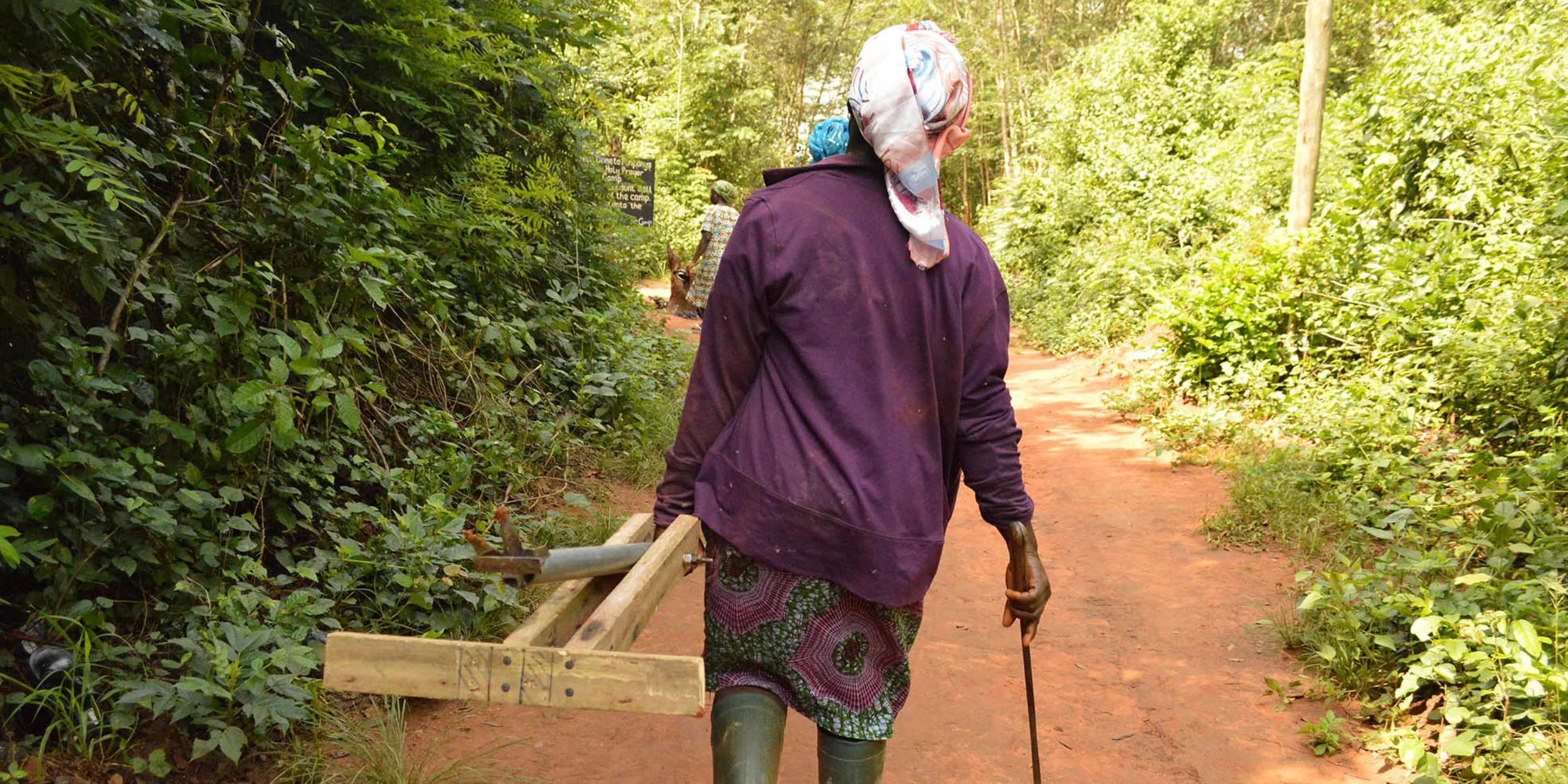
Cassava Harvester
Industrial Design
2017
user research / human-centred design / cad / prototyping / sketching / photoshop
Problem Statement
Rural small-scale farmers in Ghana need a way to harvest cassava quicker, that doesn't put as much strain on their body and ultimately makes them more money.
My Role
This project was done with the R&D team at Burro, a for-profit company based in Ghana that specialises in developing tools that improve the lives of rural farmers.
I was the lead of a team of three designers. We were all there on a temporary basis, from two to six months.
Main Learnings
This was my first time working with a community quite different to that which I had grown up in. Through this experience I:
learnt to listen even more deeply and leave my assumptions out of my work.
led a team for the first time in a real world setting.
learnt how to be scrappy and resourceful when developing and testing prototypes.
developed my ability to role with issues that may arise and still present findings while delivering on a final product.
Research
Desk Research
Understanding the space was necessary prior to and while conducting field research. In particular the target market, competition and the potential design scope.
Field Research
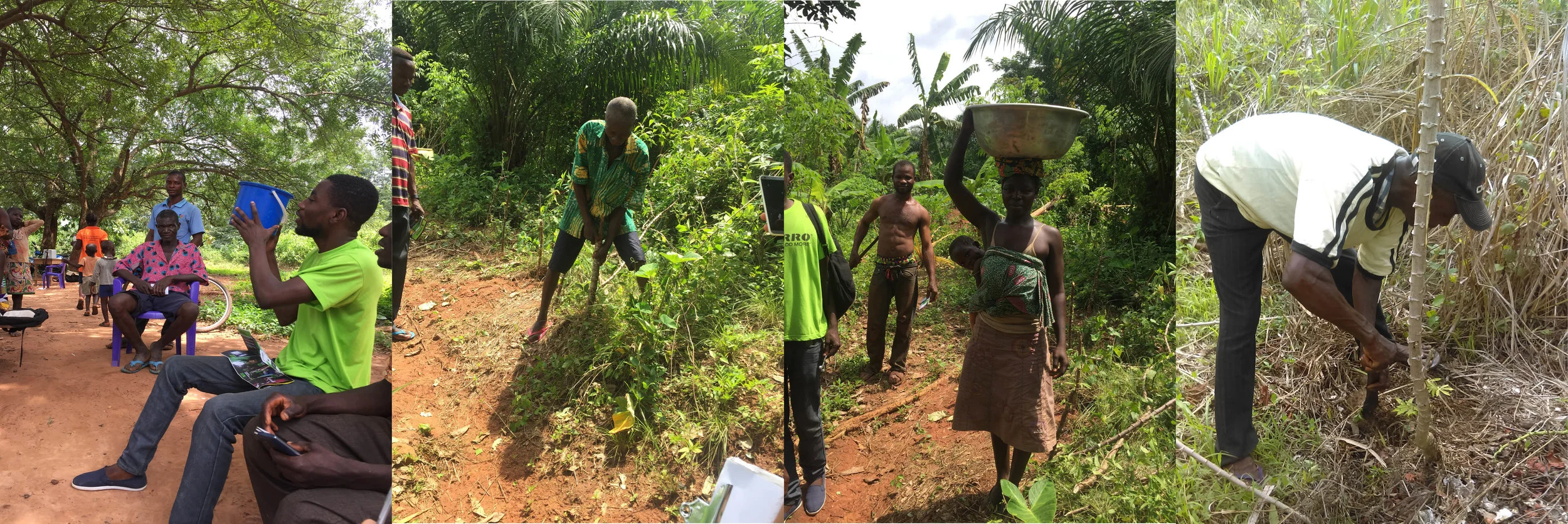
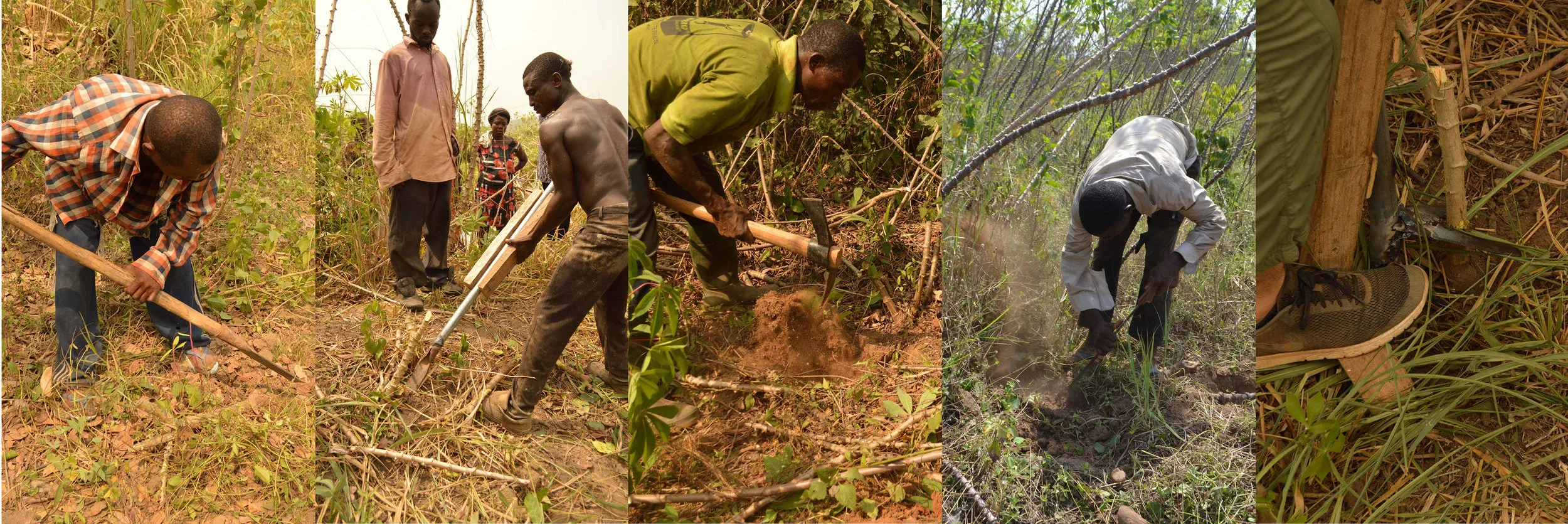
We started by just observing many different farmers harvest their cassava. From this, we were able to understand the distancce the typically have to travel, what equipment they currently use and how strenuous a process it is.
We also conducted interviews and focus groups. This allowed us to understand the magnitude of the problem and what they considered the most pressing issues.
All of this information allowed us to better appreciate how a tool that we design might be able to help them.
Prototyping
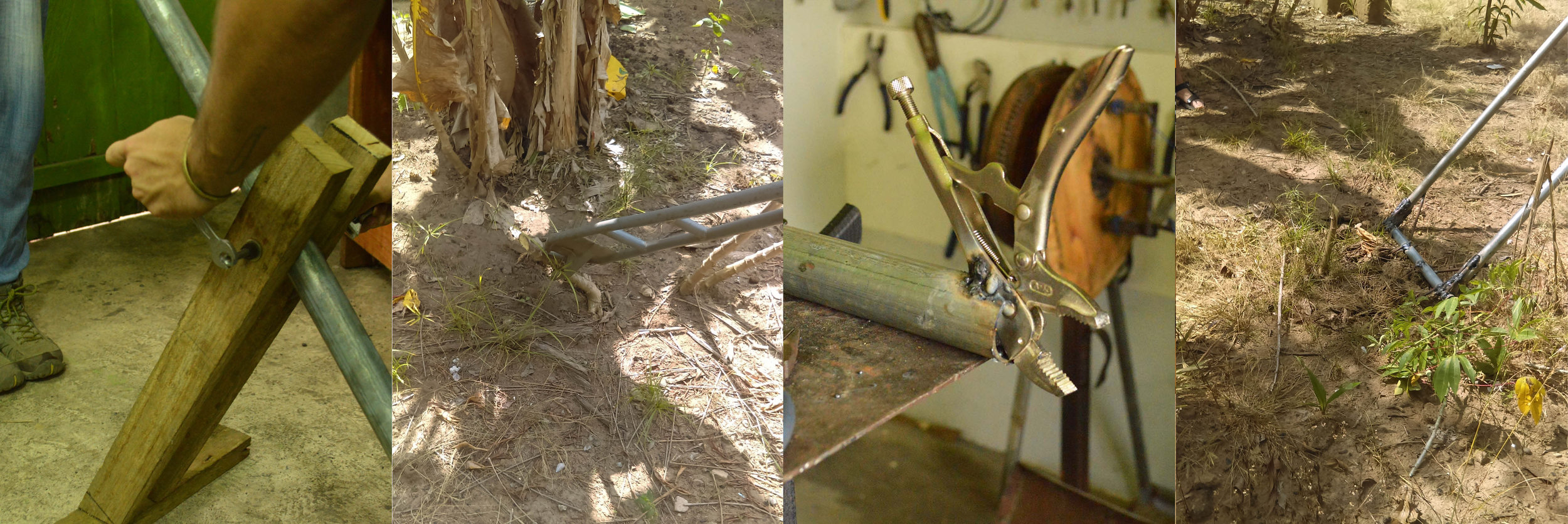
Initial prototyping was testing how the cassava root could most effectively be removed from the ground.
Three possible methods for doing this were tested
1. Attaching the cassava to the end of harvester.
2. Attaching the cassava to the centre of the harvester
3. Digging the root out from below
Testing
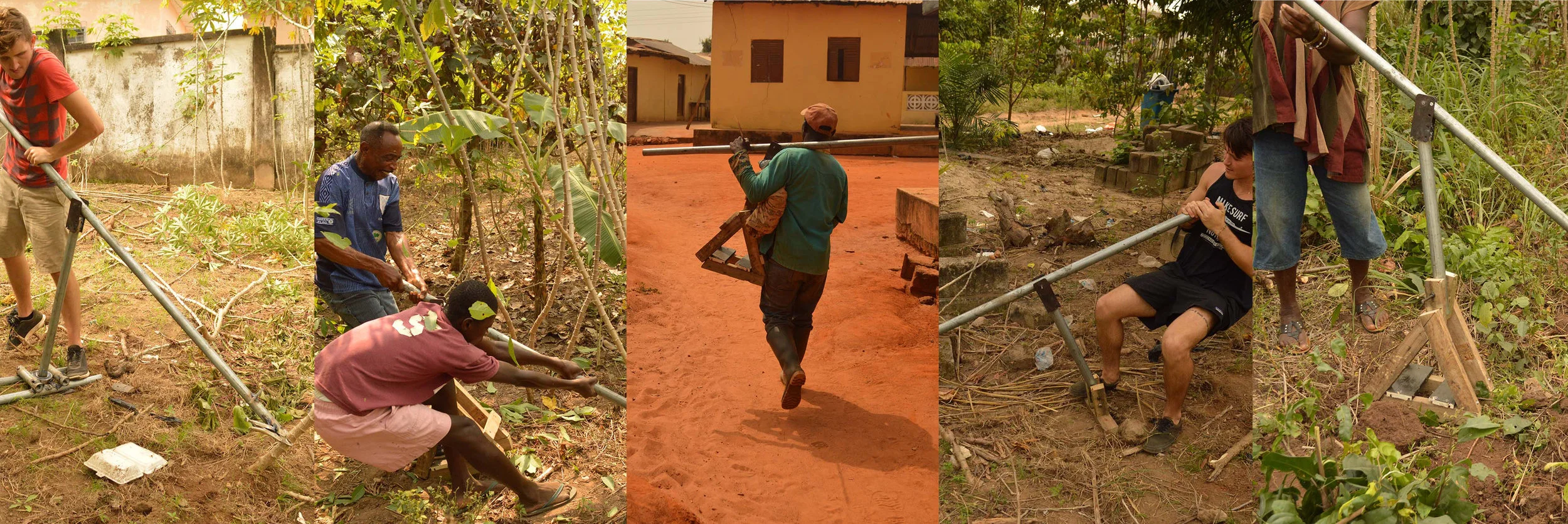
Of course, once we had finished the prototyping, we had to test it in the field with farmers. We visited many different farmers, from ones that we had visited before, to farmers in the neighbourhood.

The aim at this stage was to try the harvesters in as many different conditions and to get as much feedback as we could before moving onto the next stage.
The Dry Season
Then the dry season hit and the method for harvesting changed completely. While we came to a conclusion on what would work in the wet season, this solution would not be effective in the dry season. We brought some prototypes out that we thought may work. The soil was a lot more challenging than we could anticipate.
We came to the conclusion that we needed to do more observations in these conditions in order to design a harvester that could work in all seasons.
Findings
While there is more work to be done, that will be taken on by future interns, we know that this harvester would greatly ease the work of small-scale cassava farmers.
We also know that the most economically beneficial tool would need to ease strain and reduce harvesting time in the dry season.