E-Waste User Experience
Design Research
2019
user research / human-centred design
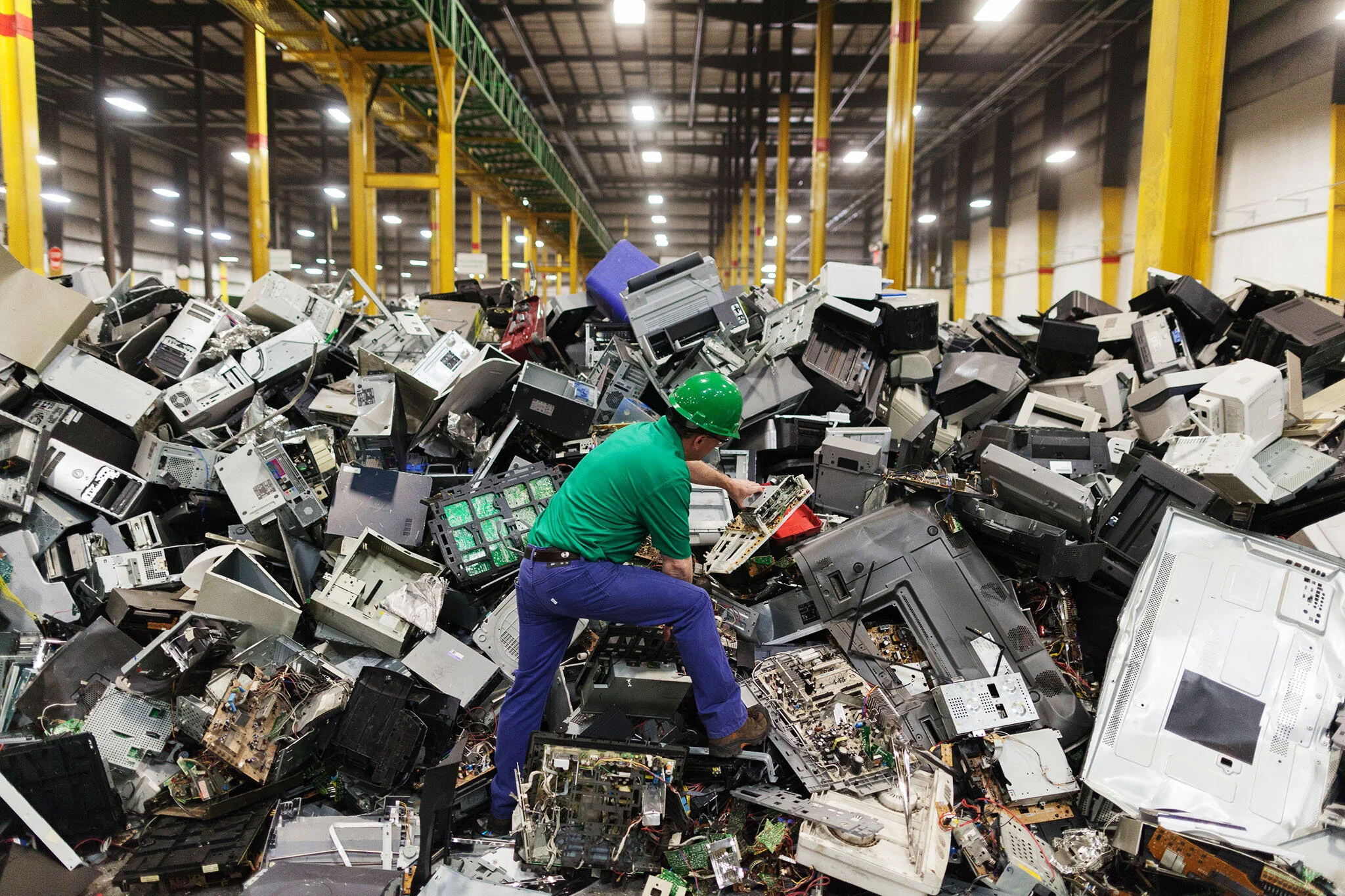
42lbs of electronic waste is created every year per capital in the US.
75% of electronic waste in the US is NOT properly recycled.
Introduction
This was a project done for a design research class where the objective was to speak to a wide range of people that were facing the problem you were working to understand. This took place over a five week period.
My Role
I was part of a team of four. We all worked to interview as many stakeholders as we could and then to synthesise the finding from this in order to present insights and opportunity areas to be looked at.
Problem To Be Solved
The revised Illinois EPA E-Waste program CERA (Consumer Electronics Recycling Act) recommends that there should be an increase in the number of permanent drop-off centres, as well as a change in allowing all devices to be dropped off at permanent centres.
This approach however does not look at all at the consumer and what might influence more behaviour change.
Interviews
We looked to find out how people currently navigate the end-of-life of their obsolete electronic devices, and what motivations, concerns and concerns result in improper disposal (or inaction) of electronic devices.
As well as how this compares to EPA’s perceptions and program strategies.
This was done primary through in-person interviews.
Stakeholders
We outlined the stakeholders in this space and who were were looking to speak to in order to understand the space. This included
Device Owners
Collection Retailers ie. Best Buy and Goodwill
Illinois EPA
Cook County Government
Given more time we would have broaden our scope and spoke to Electronic Devices Manufacturers, Recycling Companies, Pick-up Services and Environmental Organisations.
Interview Findings
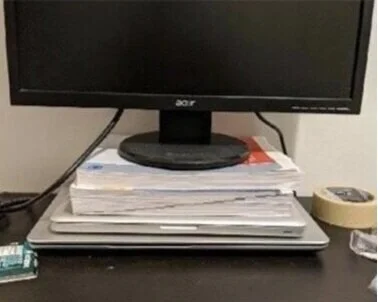
“My Apple laptop was so expensive I don’t want to just get rid of it.”
- Harriet
![“I’ll keep [my old laptop] in my closet until all my credit cards are dead.“- Nici](https://images.squarespace-cdn.com/content/v1/5d894055b117307b613becb0/1578131539969-7CZ5LRAHUYIP05E01CYA/Picture2.jpg)
“I’ll keep [my old laptop] in my closet until all my credit cards are dead.“
- Nici
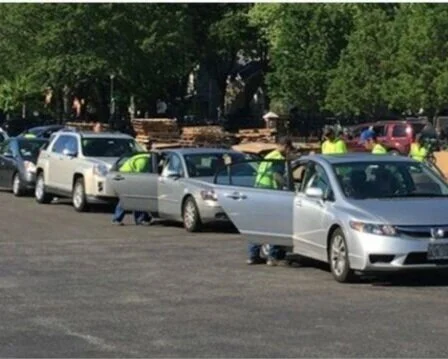
“I store ED in my garage and wait for that one year event. It takes me 2~3 hours to wait in line to recycle.”
- Rebecca
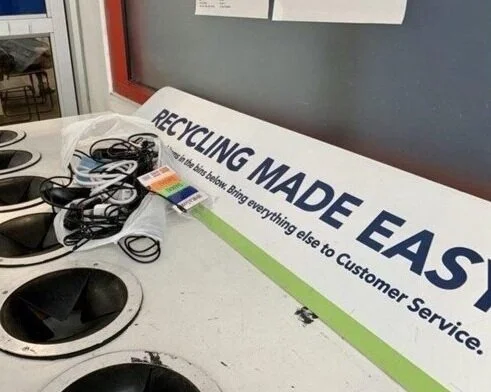
“Best Buy wouldn’t take my old TV unless I paid $25… so I threw it out.”
- John
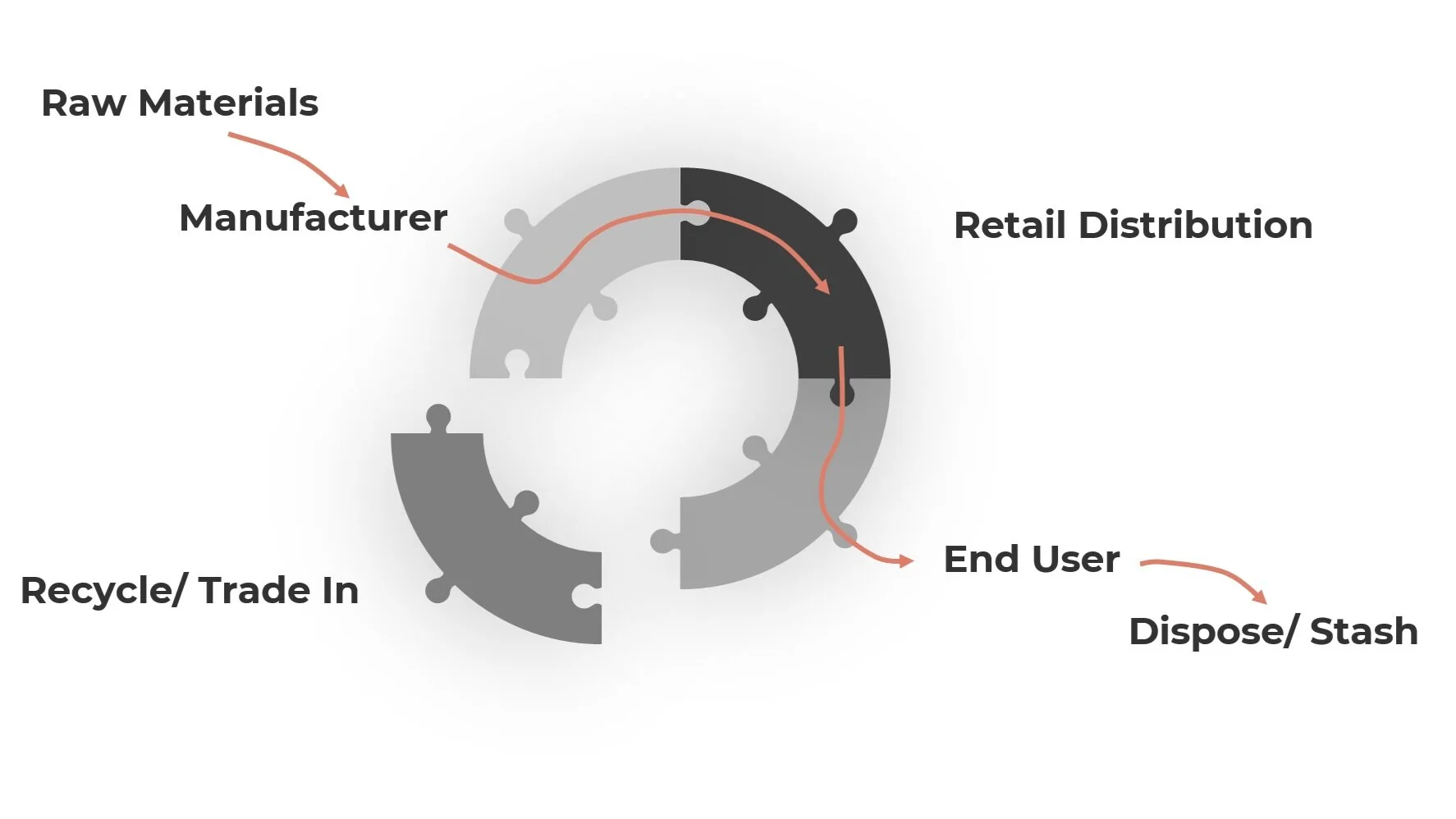
Journey Map
We then mapped out the journey that we saw and pin pointed the biggest frustrations that we identified.

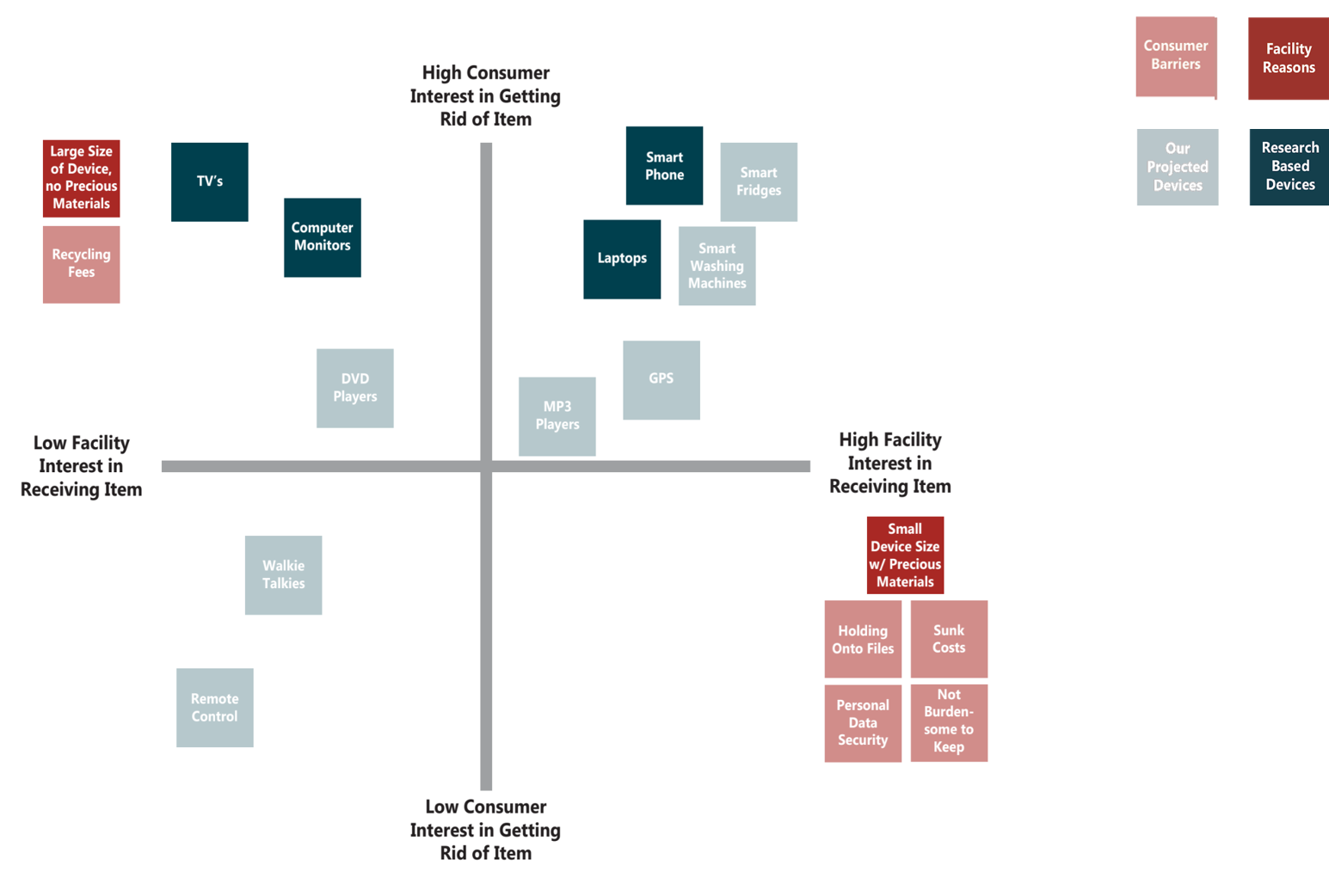
Interest in Recycling: Consumer vs Facility
Main Insights
From our research and synthesising we identified four main insights.

People are paralysed about what they should do about the data on their devices, which often prevents them from doing anything. The Illinois EPA hasn’t acknowledged this as a top barrier preventing people from properly recycling devices.
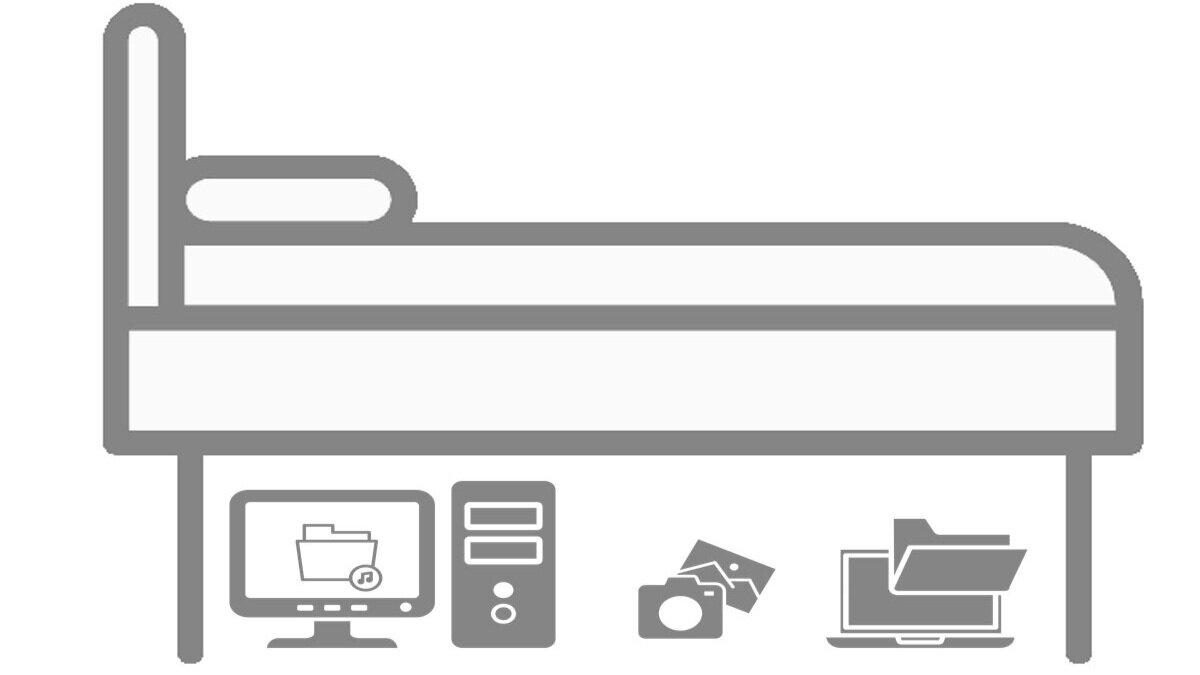
People rationalise holding onto devices ‘in case’ they need a file. Rarely, if ever, do they end up having any use for those devices.
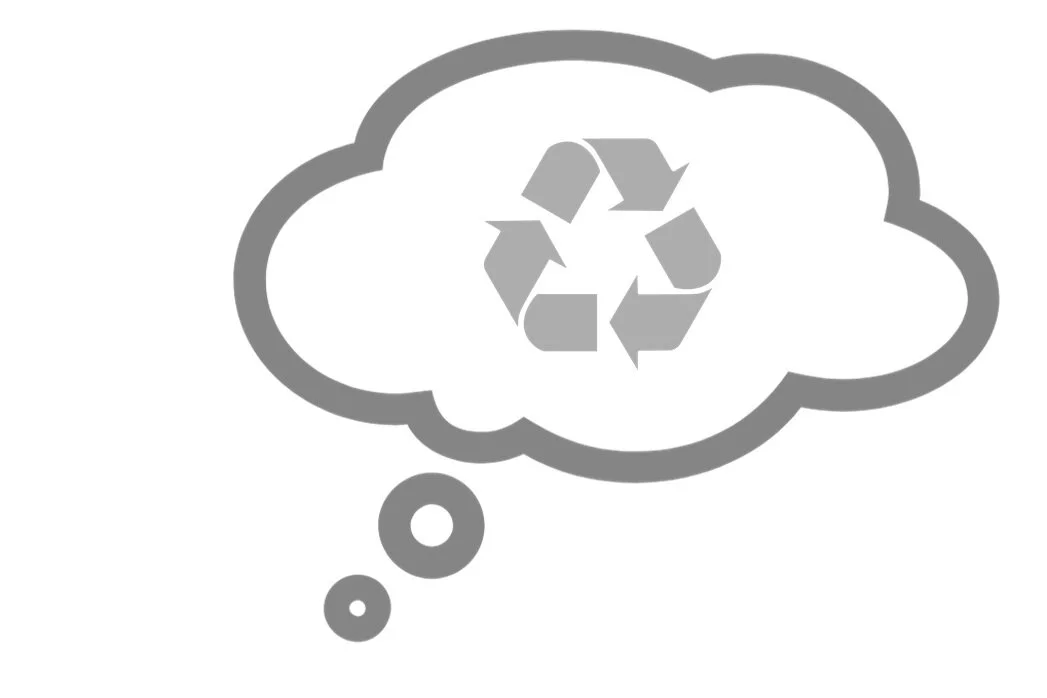
Consumers don’t recognize that holding onto their electronic devices is part of a larger stash-away problem that is preventing a circular economy.
The Illinois EPA thinks that permanent centers are far more effective than single day events. However, permanent centers lack the trigger and urgency factors inherent in single day events that drive people to action.
Opportunities
Then from these insights we identified three opportunity areas that we saw could be brought forward to be designed around.
Increase people’s confidence in the Illinois electronics recycling system around data security and device end-of-life.
Encourage the transfer of data during the device upgrade experience to avoid the “just in case” action.
Combine the beneficial attributes of one-day events and permanent drop-off centres.