The Nu Wardrobe
Design Research & UX Design
2018
user research / human-centred design / prototyping / adobe suite
Introduction
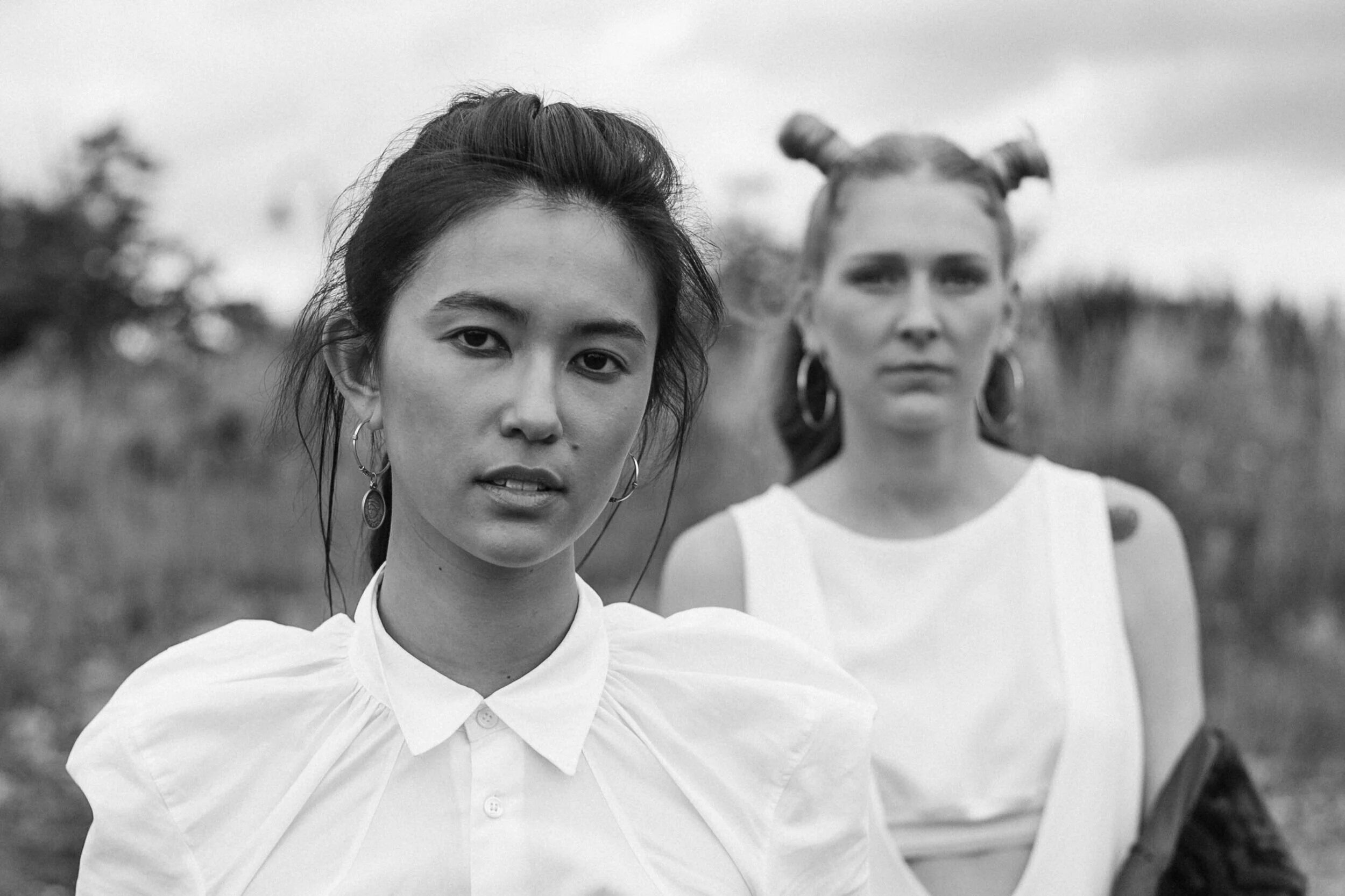
The Nu Wardrobe is an online platform that facilitates people swapping & sharing their clothes with their peers. This is all with the aim to reduce the environmental impact of fast fashion.
I was brought on full time as a designer on the Nu team to participate in the Bethnal Green Ventures accelerator program. This was with the aim to advance the business and to launch the platform in London. This project required various design skills that I will outline below.
My Role
I was first contracted mainly to design the new app. I was then brought on full time to help with the expansion from Dublin to London. Myself and the founder were focused on what needed to be found out from the user in order to move forward and expand the company. In this role I also worked to define the tone and styling of the brand.
Problem To Be Solved
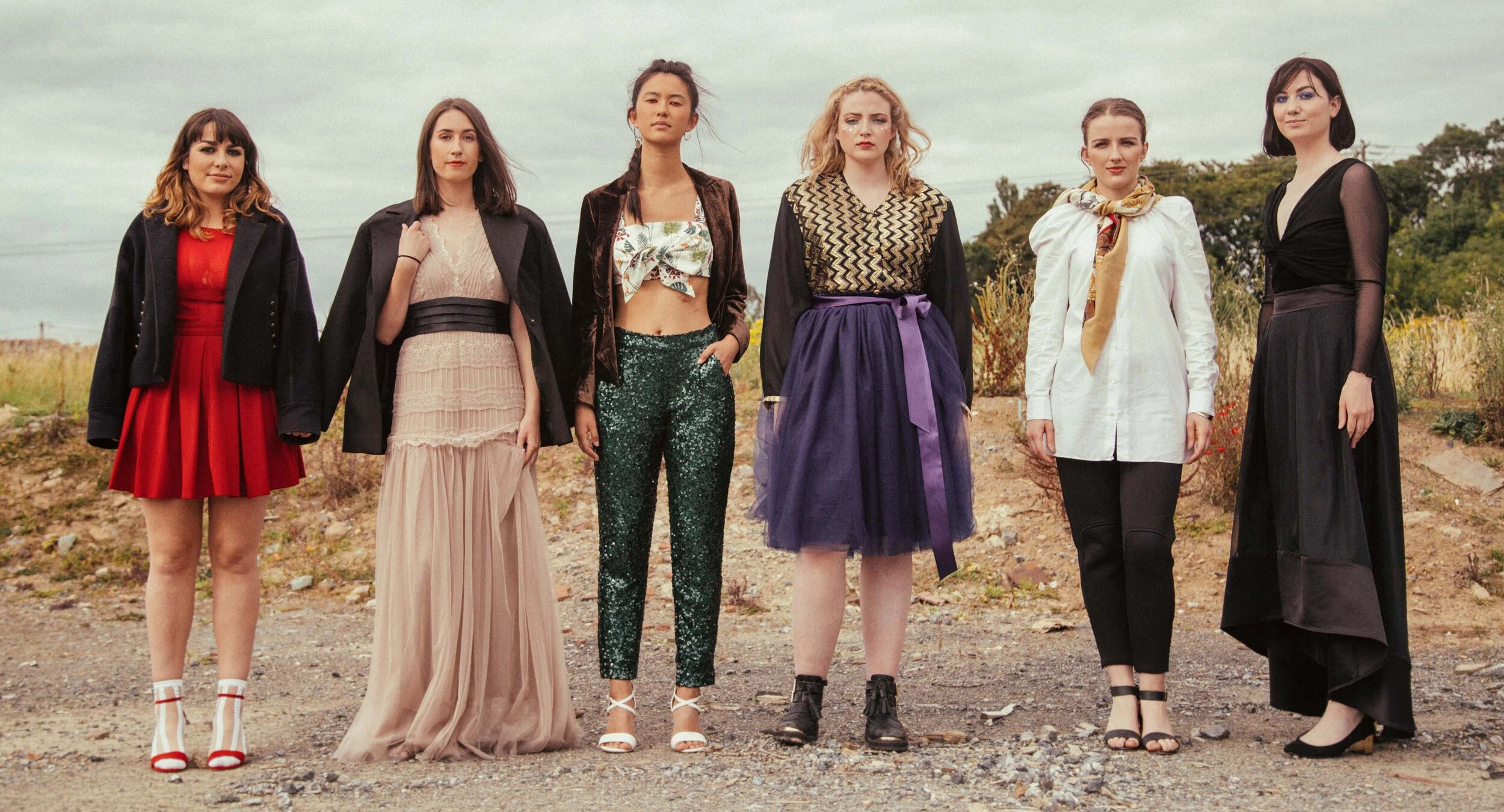
The Nu Wardrobe had been running swap shops and had grown its following very organically over the course of two years. The type of people attracted to the company and their motives had not been looked at closely prior to this point.
As we were new to London, we needed to identify who would be the early adopters and what their motivations were. The Nu Wardrobe had always been used primarily by university students, but we were interested in expanding the Nu audience.
Approach
In order to understand how The Nu Wardrobe could solve a problem for their customers, we focused on gathering qualitative feedback in order to work from a place of having rich in-depth data.
This was done primary through focus groups, online surveys and in-person interviews.
Focus Groups
When trying to understand new potential user segments, we conducted focus groups. We acted as facilitators for a discussion about the motives of these groups. This was in order to get a general idea, as quickly as possible, of where we should focus our attention on and what questions we needed to dive into further. From this stage, for instance, we identified that, at this stage, over 40 year old women were not our ideal early adopters.
Surveys
As we had a reasonably large community of Brand Ambassadors who were willing to share the surveys with their peers, we were able to get enough engagement to understand the user groups we had identified.
We decided to break up the user segments into under 18, 18 to 25 year-olds and 25 year-olds+.
From these surveys, we were looking to find out their existing knowledge of the impact of fast fashion, how often and why they buy new clothes. We also wanted to find out if swapping and sharing their clothes with their friends is already a part of their behaviour.
Interviews
In order to get a fuller understanding of our customers, we conducted in-person interviews. We conducted these in different scenarios but all with the objective to understand people's clothes shopping motives and the emotional attachment that is given to some items in the wardrobe.
We ran swap shops during Fashion Revolution Week and I would interview people had some time to chat. These interviews were tailored to the amount time that the participant had. This worked well as those who came along to the swap shop were interested in the concept and wanted to help as they could.
We then conducted longer interviews in people's homes. The idea behind this was that people felt more comfortable in this situation and we would tend to have a more honest discussion. This was less structured as we wanted participants to talk about what was at the forefront of their mind. We also had them go through their wardrobe and identify what items were valuable to them and to understand how much of their wardrobe they actually wear.
The other main set of interviews run were by posting a general call out on social media. This was for anyone in London who was interested and wanted to meet for a coffee. The idea behind this was not only to get feedback but to also get them bought into the idea and to spread the idea.
Personas
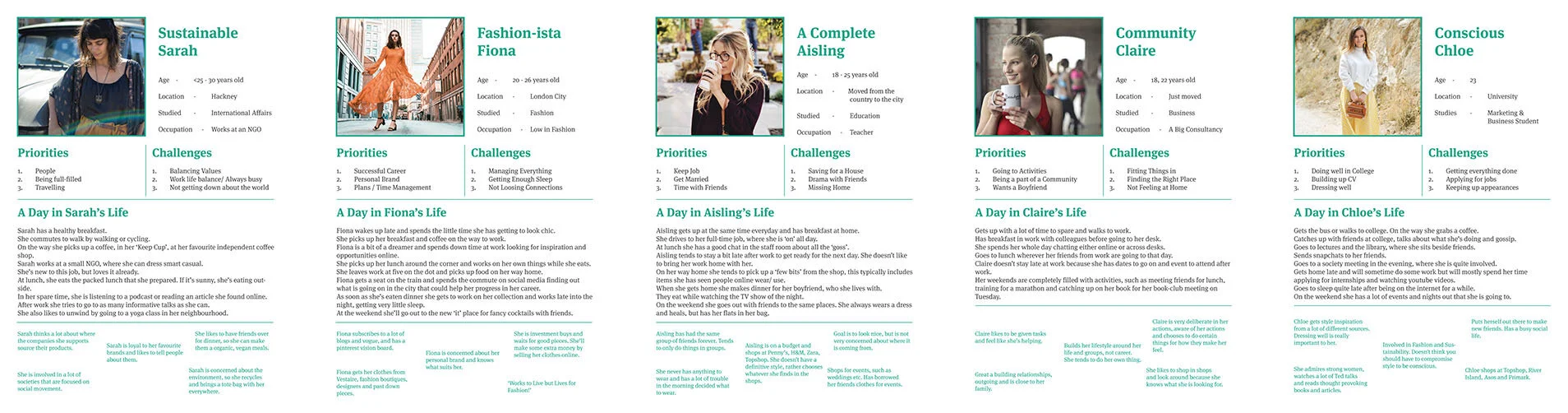
From listening and understanding The Nu Wardrobe users, we were able to segment them into different personas. This allowed for everyone on the team to understand who we were catering to in our design and business decisions.
Desk Research
There aren't many services that allow for straight swapping and sharing, although this has been identified as the most effective way to reduce the environmental impact of fast fashion.
There are many successful clothes renting and selling platforms, so we spent a lot time understanding their business models and how their approach worked.
Conclusion
From our research, we found that our ideal early adopters needed to possess all three characteristics of "fashionista", "environmentalist" and "community member".
As the company grows every member won't need to possess all of these qualities. It is important at this stage of a community driven start-up to have customers that are advocates and are excited to spread the word about The Nu Wardrobe.
Identifying this influenced everything else in the company; from how we spoke about The Nu Wardrobe to where we focused our time and energy on. This was crucial to understand as the limited resources available would have been put into the wrong efforts.